Why DTF Printing Services Are Changing the Custom Apparel Game
What Makes DTF Printing Different
Walk into any print shop that has been around a while and you will hear stories about the old days. Screen printing was the workhorse. Heat transfer vinyl had its moment. Direct to garment, or DTG, came along and made full color easy. But DTF, which stands for direct to film, has quietly become the option that solves problems the others could not. If you have not looked into DTF printing services recently, it is worth understanding why so many small businesses and print shops are making the switch.
DTF starts with a special film. The design prints onto that film with a dedicated printer, then a powder adhesive is applied and cured. The transfer is pressed onto the garment with heat. What looks like a simple step up from old iron-on transfers is actually a completely different process. The result feels soft, stretches with the fabric, and survives repeated washing. That is the part that surprises most people. The old transfers cracked and peeled. DTF holds up in a way that makes it a serious competitor to screen printing for many jobs.
For a shop like Custom Shirt Printing, which has been doing custom apparel in Los Angeles for years, DTF fills a specific gap. Screen printing still wins for large runs of simple designs. DTG is great for detailed artwork on cotton. But DTF printing services handle the middle ground, the jobs that used to be awkward or expensive, with less hassle and faster turnaround.
The Real Advantages of DTF Transfers
The biggest selling point for DTF is versatility. You can press DTF transfers onto almost any fabric. Cotton, polyester, blends, even nylon and leather in some cases. That is a huge deal for shops that get requests for things like performance tees, hoodies, or tote bags. Screen printing on polyester requires special inks and careful curing. DTG struggles on dark or non-cotton fabrics. DTF just works.
Color is another area where DTF shines. A DTF printer lays down white ink first, then the color layers on top. That means you can print vibrant, detailed artwork on black shirts without a separate underbase or a pretreat machine. Skin tones, gradients, tiny text, all of it comes out sharp. For photographers, artists, or anyone selling merch with complex designs, this is a game changer in the practical sense, not the hype sense. It simply opens up what you can offer.
There is also the cost angle for small batches. Screen printing has a setup fee for every design and every color. That makes a one-off or a run of ten shirts pricey per piece. DTF has no screens to burn and no setup charge. You pay for the film, ink, powder, and labor. For short runs, DTF is often cheaper per shirt than screen printing. For long runs, screen printing still wins on price. The smart move is knowing which to use when.
How DTF Fits Into a Real Print Shop
When you work with a shop that offers both screen printing and DTF, you get the best of both worlds. The shop can recommend the right process for your job instead of pushing you toward whatever they have. That is the kind of honest advice you want from a family-owned business. At Custom Shirt Printing, the team will walk you through your design, talk about quantities and fabric, and then suggest the method that makes sense. Sometimes that means DTF, sometimes it means screen printing, and sometimes it means embroidery.
DTF printing services also change how rush orders work. A screen printing setup can take a day or more just to get the screens ready. DTF transfers can be printed and pressed the same day, especially when the shop does everything in house. That speed matters for events, birthdays, team uniforms, or any deadline that came up fast. I have seen shops turn around a dozen custom shirts in a few hours with DTF when the customer thought they had missed the window entirely.
Another practical point is sampling. If you are launching a clothing line or trying out a new product, you do not want to order fifty shirts to see if the design works. With DTF, you can order one sample, check the colors and placement, and make changes before committing to a larger run. That is a low risk way to test the market. And if the sample looks great, you can scale up without redoing everything from scratch.
What to Look for in DTF Printing Services
Not all DTF is created equal. The quality depends heavily on the equipment, the film, the ink, and the skill of the person running the press. Here are a few things worth checking before you hand over your artwork.
- Ask about their film and ink. Cheaper materials can lead to cracking or fading after a few washes.
- Find out if they do the printing in house or outsource it. In house usually means better quality control and faster turnaround.
- Request a sample transfer on the actual fabric you plan to use. A good shop will not hesitate to show you a test.
- Check how they handle white ink. DTF relies on white ink for opacity on dark shirts, and that is where many budget printers cut corners.
- Ask about washing instructions. Proper curing and pressing make a big difference in longevity.
I have seen shops that bought a cheap DTF setup and produced transfers that looked great at first but fell apart after two washes. That gives the whole process a bad name. A reputable shop invests in quality materials and takes the time to dial in the pressure, temperature, and dwell time. That is the difference between a transfer that feels like part of the shirt and one that feels like a sticker.
DTF vs. Screen Printing: Not a Competition
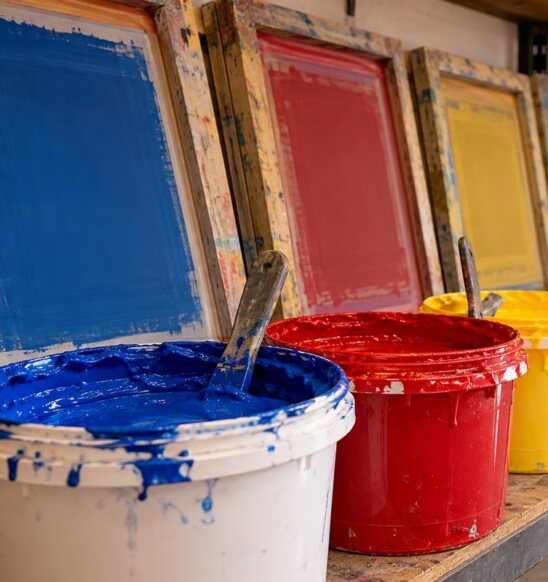
Some people talk about DTF as if it is going to replace screen printing. That is not how it works in practice. Screen printing is still the best choice for large orders of simple designs on cotton. The ink lays down thicker, the colors are vibrant, and the cost per shirt drops as the quantity goes up. For a run of 100 identical white tees, screen printing is hard to beat.
DTF wins on flexibility, detail, and speed for small to medium batches. It also handles fabric types that screen printing struggles with. The two processes complement each other. A smart print shop uses both and tells you which one fits your project. That is the approach at Custom Shirt Printing, where the goal is to get you a great product, not to push a particular technology.
There is also the question of durability. I have washed DTF transfers dozens of times and they hold up well when applied correctly. The adhesive layer creates a bond that flexes with the fabric. That said, nothing lasts forever. Screen printed inks can also crack over time. The key is following care instructions, washing inside out, and avoiding high heat in the dryer. With reasonable care, a DTF transfer will outlast the trend that made you order the shirt in the first place.
Getting Started with DTF for Your Business or Event
If you run a small business, a sports team, a church group, or a fundraiser, DTF printing services can take your merch to the next level without a big upfront investment. You do not need to buy equipment or learn a new skill. You just need a design and a shop that knows what they are doing.
The design part is easier than you think. Most shops offer free design help, which is a huge bonus if you only have a rough idea or a logo that needs cleaning up. At Custom Shirt Printing, the in house team can help you refine your artwork, pick colors, and set up the file for DTF printing. That free help saves you from the trial and error of sending a bad file to a printer and getting back a mediocre shirt.
Once you have your design, the process is straightforward. You approve a proof, the shop prints your transfers, and they press them onto your garments. Turnaround depends on the size of the order and how busy they are, but DTF is generally faster than screen printing for small runs. Many shops can do same day or next day for urgent requests.
One thing to keep in mind is that DTF transfers are often made in sheets first. The shop prints the design onto a large film, applies the powder, and then cuts it into individual transfers. Each transfer is pressed onto one garment. That means the per piece labor is higher than screen printing for large orders, which is why the pricing scales differently. But for runs under 25 or 50 pieces, DTF is hard to beat.
The Bottom Line on DTF
DTF printing services have earned their place in the custom apparel world. They offer a practical, high quality option for orders that do not fit the screen printing mold. Whether you need a handful of shirts for a family reunion, a set of hoodies for a band, or a full line of merch for your online store, DTF can get you there with less hassle and more creative freedom.

The key is finding a shop that understands the process and cares about the result. That is where customtsprinting DTF printing services come into play. They combine the versatility of DTF with the experience of a shop that has been serving Los Angeles for years. You get the benefit of modern technology backed by old fashioned customer service.
Next time you have a custom apparel project, do not assume you need a huge minimum order or a long lead time. Ask about DTF. Ask to see samples. Ask about pricing for your specific quantity. You might be surprised at how accessible professional custom printing has become. And if you are in the LA area, a family-owned shop like Custom Shirt Printing is a good place to start the conversation. They will tell you straight which process works best for your job, and that honesty is worth a lot in this industry.
DTF is not just a trend. It is a tool that solves real problems for real people. Whether you are printing for a cause, a company, or a celebration, customtsprinting DTF printing services give you the flexibility to create something that looks professional and lasts. That is the kind of service that keeps customers coming back, not just for the product but for the experience of working with people who know their craft.
 Facebook
 Instagram